Interactive well lifecycle
How an oil or gas well is decommissioned.
Follow a well from production decline through suspension, engineering, equipment removal, permanent plugging, cut-and-cap work, remediation, reclamation, and documented closure.
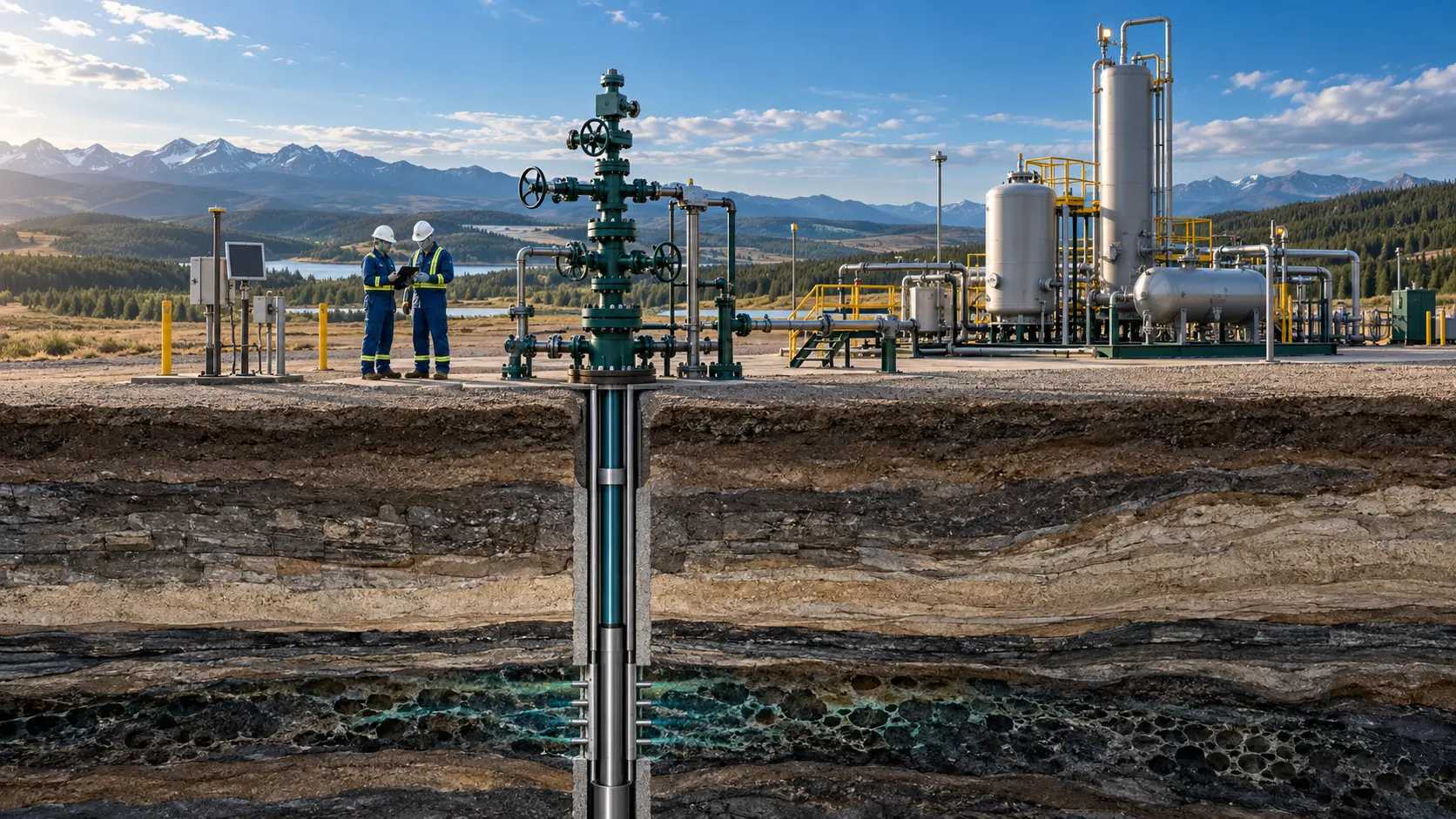
Below the surface
What permanent isolation is designed to accomplish.
A plugging program does more than fill an open hole. Approved barriers are positioned to isolate producing intervals, porous formations, and protected groundwater while preventing fluid or gas migration through the wellbore.
protects shallow zones
isolates porous formations
separates producing interval
 Stage 1 of 8Drill, complete & produceThe well is constructed, completed, equipped, and operated through its productive life.
What happens during this stage
Drill, complete & produce
Operators monitor production, pressure, equipment condition, integrity, and regulatory obligations. Accurate operating and well-construction records become essential when the eventual closure program is designed.
AI-created educational illustration; not a photograph of a named client site.
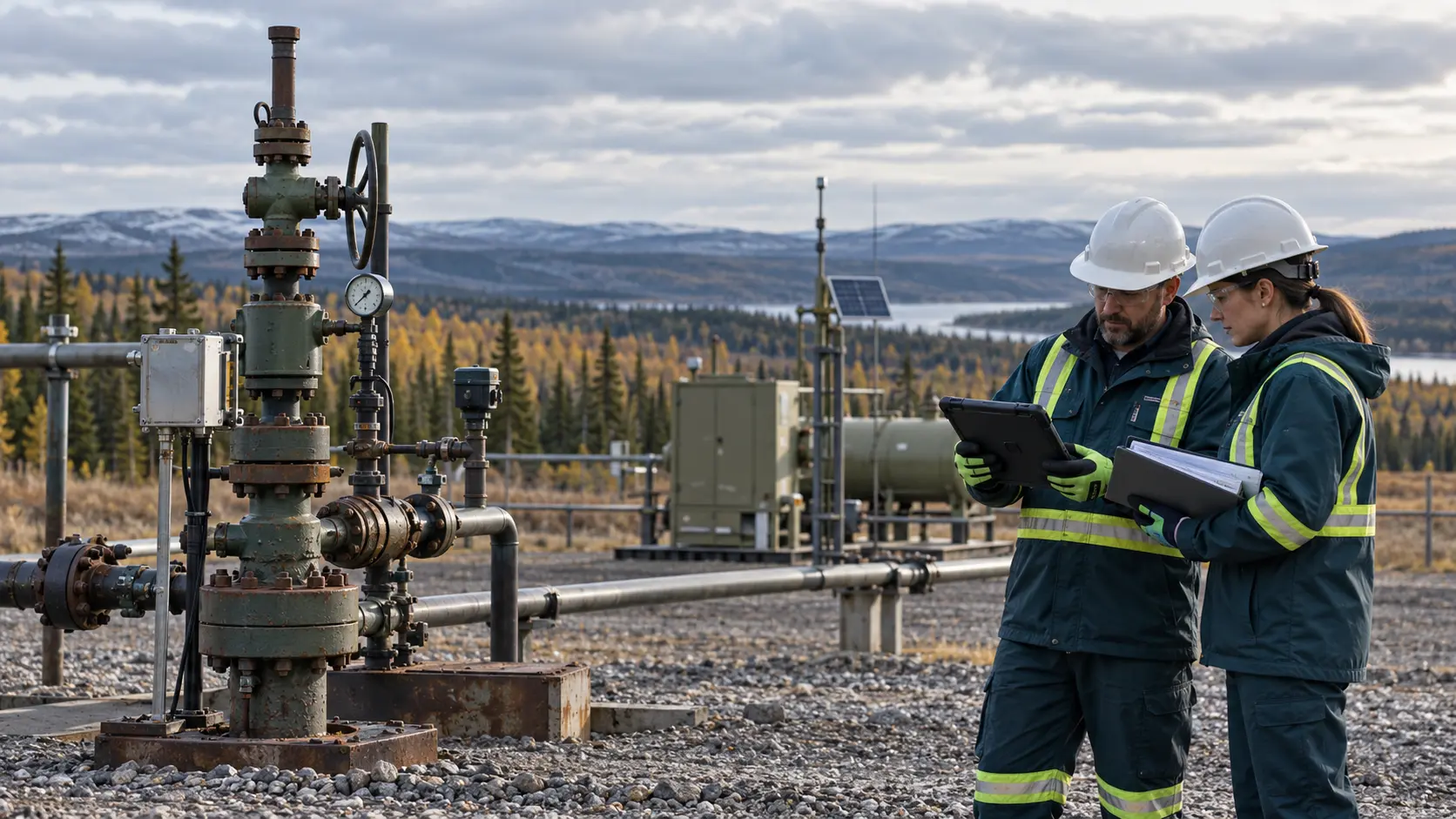 Stage 2 of 8Decline & closure decisionAs production declines, the owner decides whether to continue operating, suspend, repurpose, or permanently close the well.
What happens during this stage
Decline & closure decision
The decision considers remaining reserves, operating and maintenance costs, integrity risk, future use, closure liability, and regulatory deadlines. This is where a well begins moving from an operating asset toward managed retirement.
AI-created educational illustration; not a photograph of a named client site.
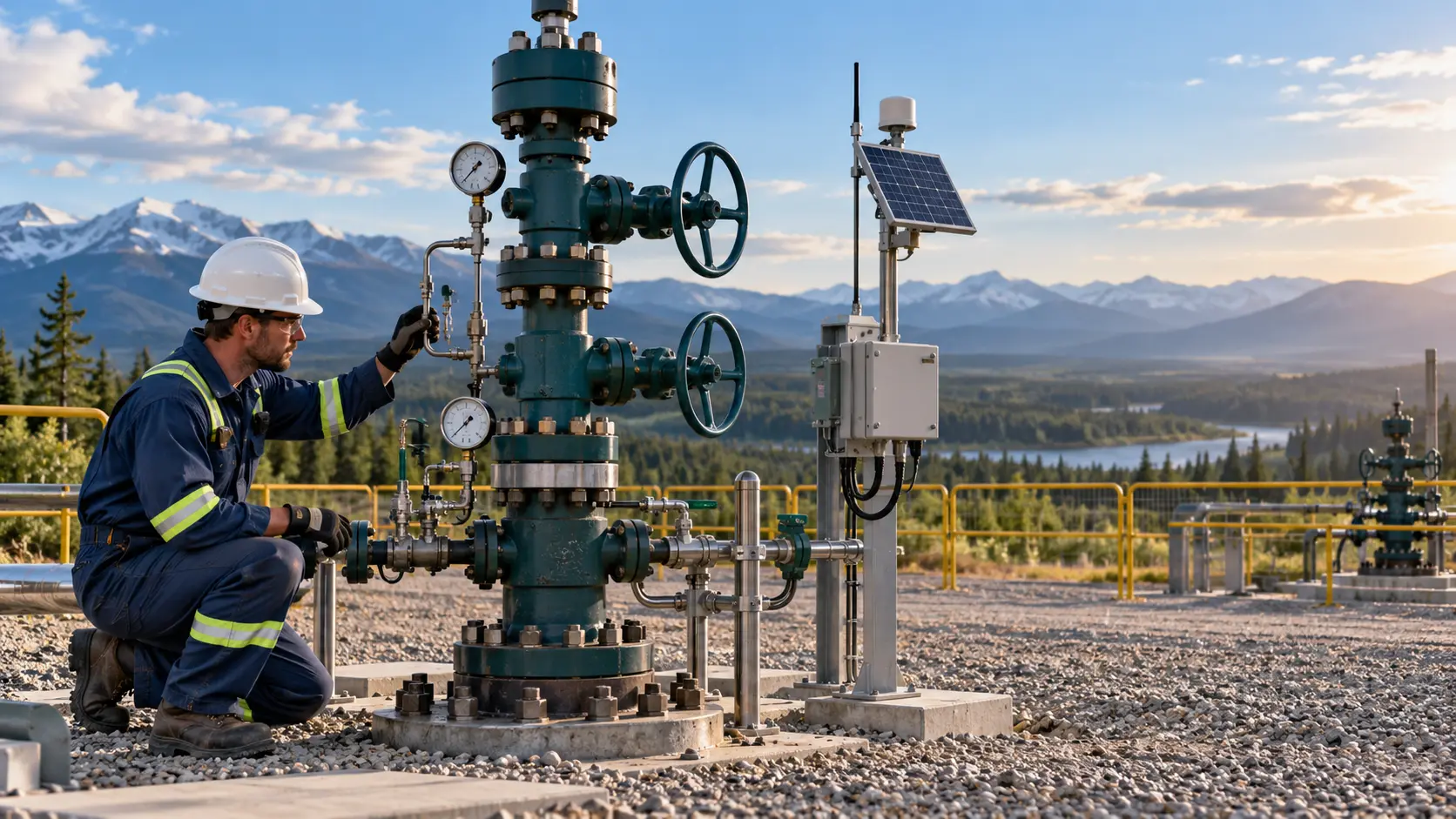 Stage 3 of 8Suspend & monitorA non-producing well is secured and monitored until it is reactivated or permanently abandoned.
What happens during this stage
Suspend & monitor
Suspension is not abandonment. The well remains an active responsibility and may require pressure checks, leak or vent-flow testing, maintenance, reporting, and continued site security.
AI-created educational illustration; not a photograph of a named client site.
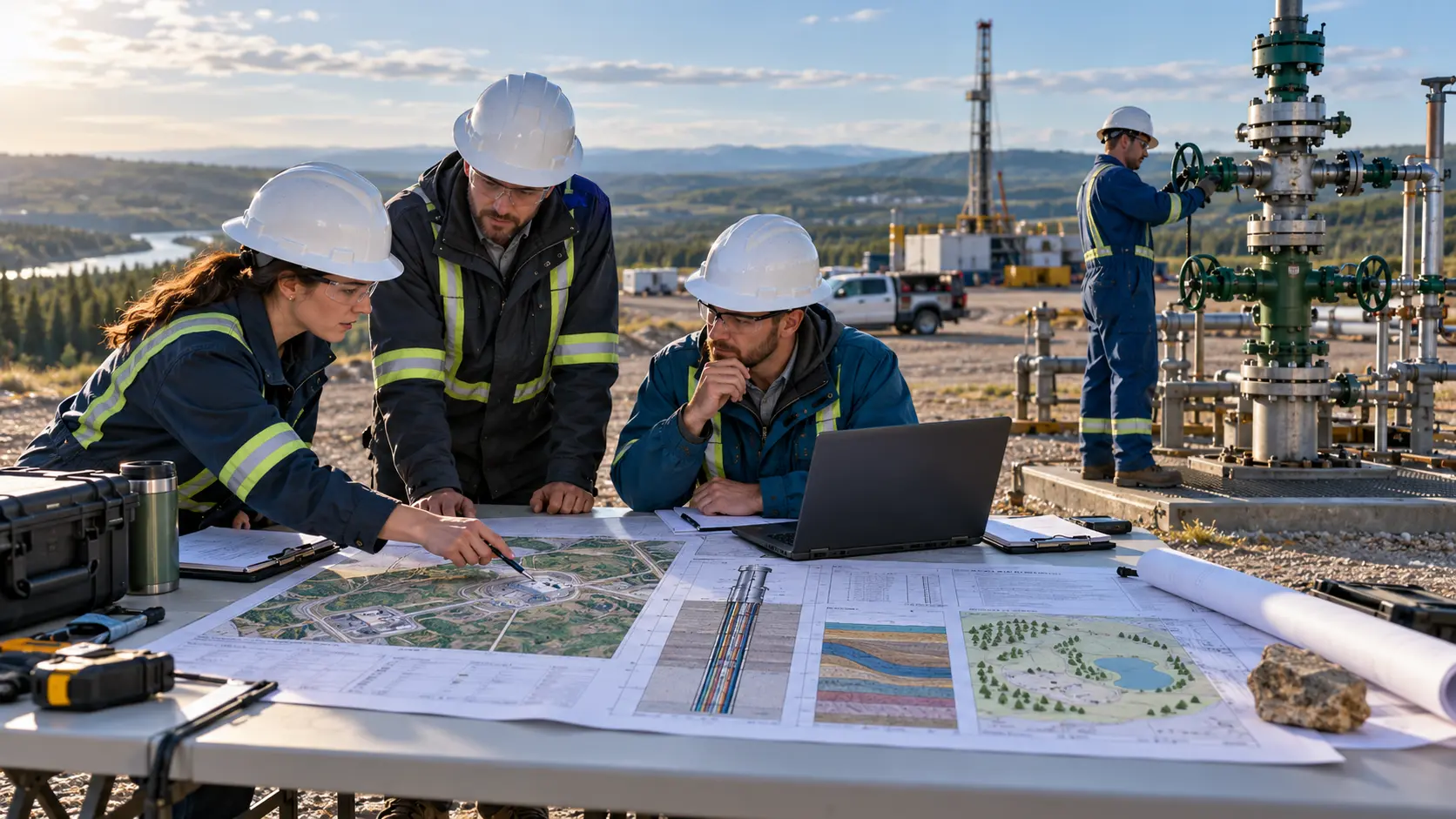 Stage 4 of 8Assess & engineerHistorical records and verified field conditions are developed into a well-specific engineering, safety, environmental, and regulatory plan.
What happens during this stage
Assess & engineer
The team reviews drilling, casing, cementing, completion, production, intervention, pressure, and prior-abandonment records; inspects site access and the wellhead; documents relevant pressure, vent-flow, integrity, and environmental observations; and brings the findings, equipment, barriers, verification criteria, contingencies, and regulatory submissions into one executable program.
AI-created educational illustration; not a photograph of a named client site.
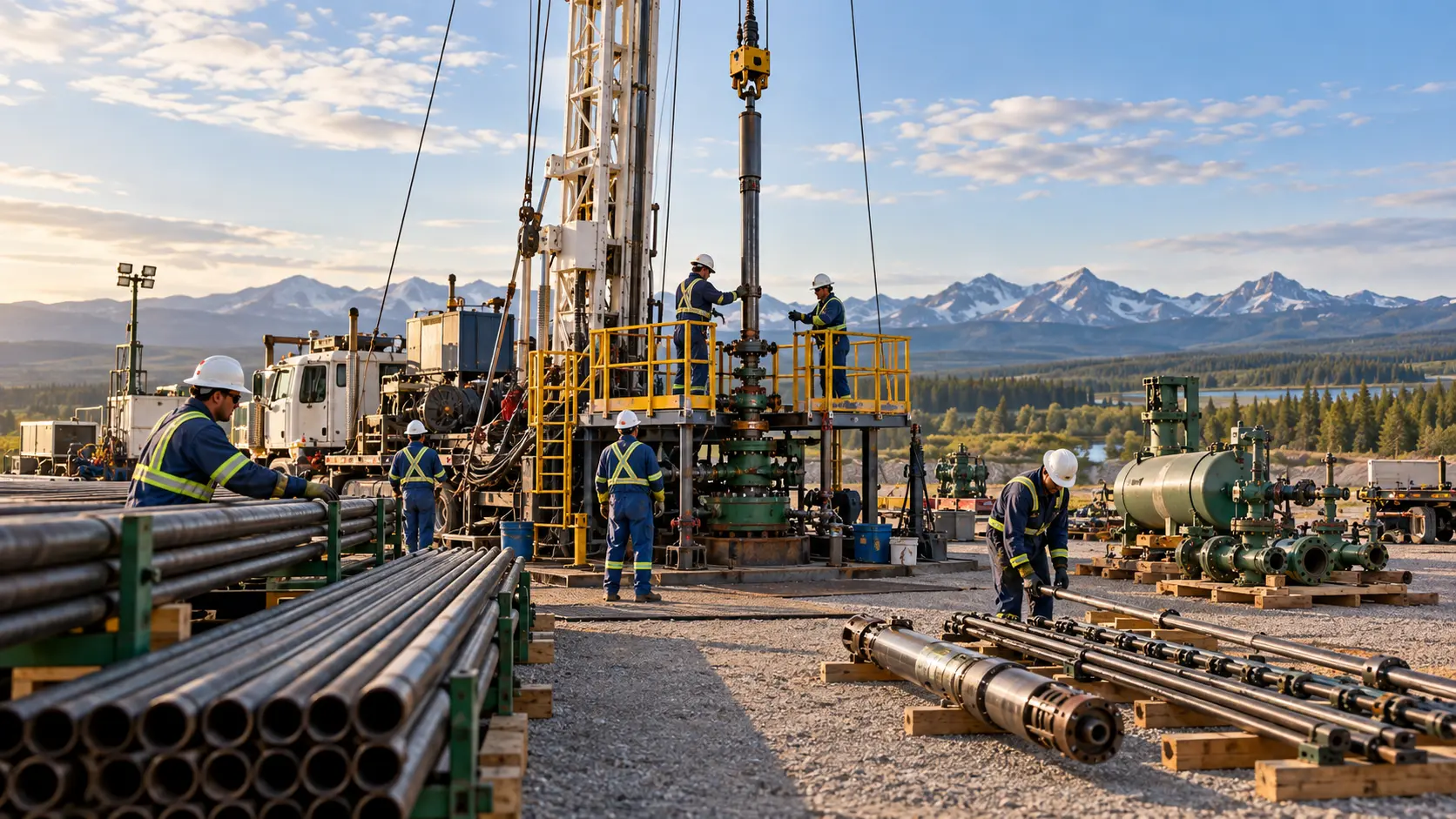 Stage 5 of 8Decommission & prepareSurface systems are disconnected or removed and production equipment is recovered as required by the approved program.
What happens during this stage
Decommission & prepare
Qualified crews isolate energy sources, prepare access and containment, mobilize service equipment, pull tubing, rods, pumps, packers, and other downhole equipment where required, condition the wellbore, and address obstructions or integrity concerns.
AI-created educational illustration; not a photograph of a named client site.
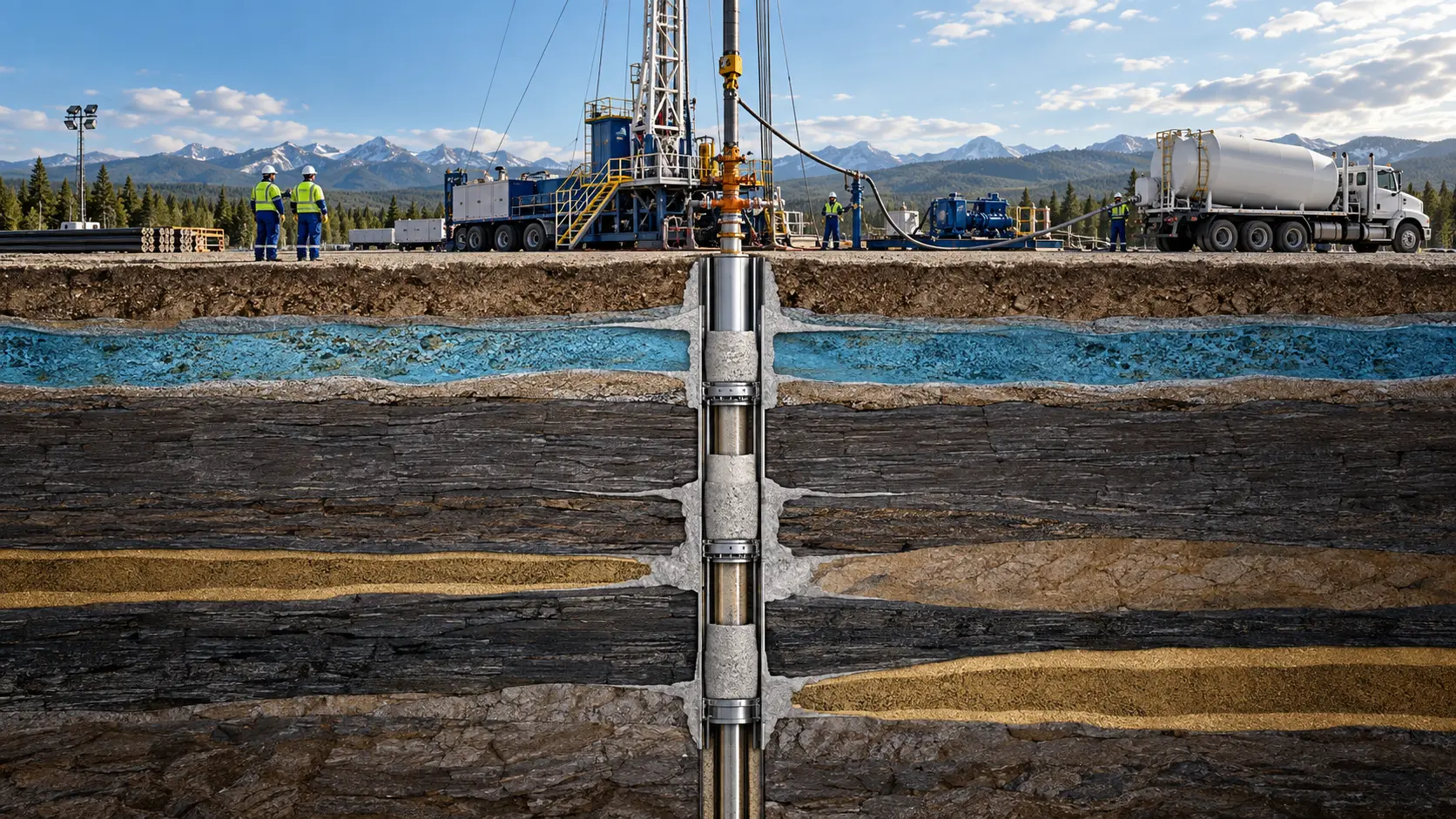 Stage 6 of 8Plug & permanently isolateApproved mechanical and cement barriers isolate producing intervals, porous formations, and protected groundwater.
What happens during this stage
Plug & permanently isolate
The program may use bridge plugs, retainers, cement plugs, cement squeezes, circulation, casing repair, or other approved methods. Barrier design depends on the well construction, geology, integrity, fluids, and governing requirements.
AI-created educational illustration; not a photograph of a named client site.
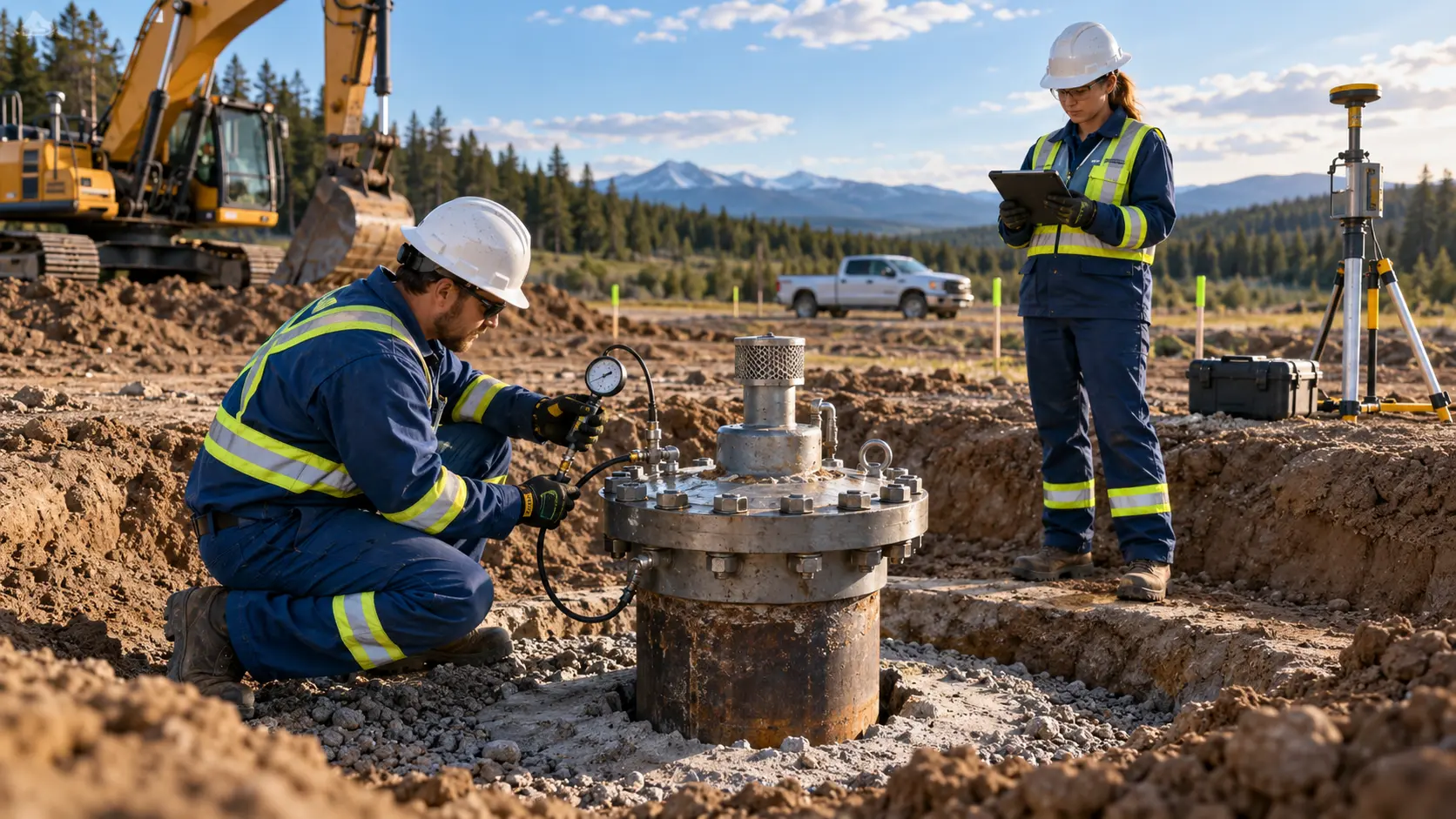 Stage 7 of 8Verify, cut & capThe completed barriers are verified before the wellhead is removed and casing is cut and securely capped below grade.
What happens during this stage
Verify, cut & cap
Pressure tests, logging, monitoring, tagging, cement returns, or other approved evidence may verify the work. Final surface-abandonment records document the completed condition.
AI-created educational illustration; not a photograph of a named client site.
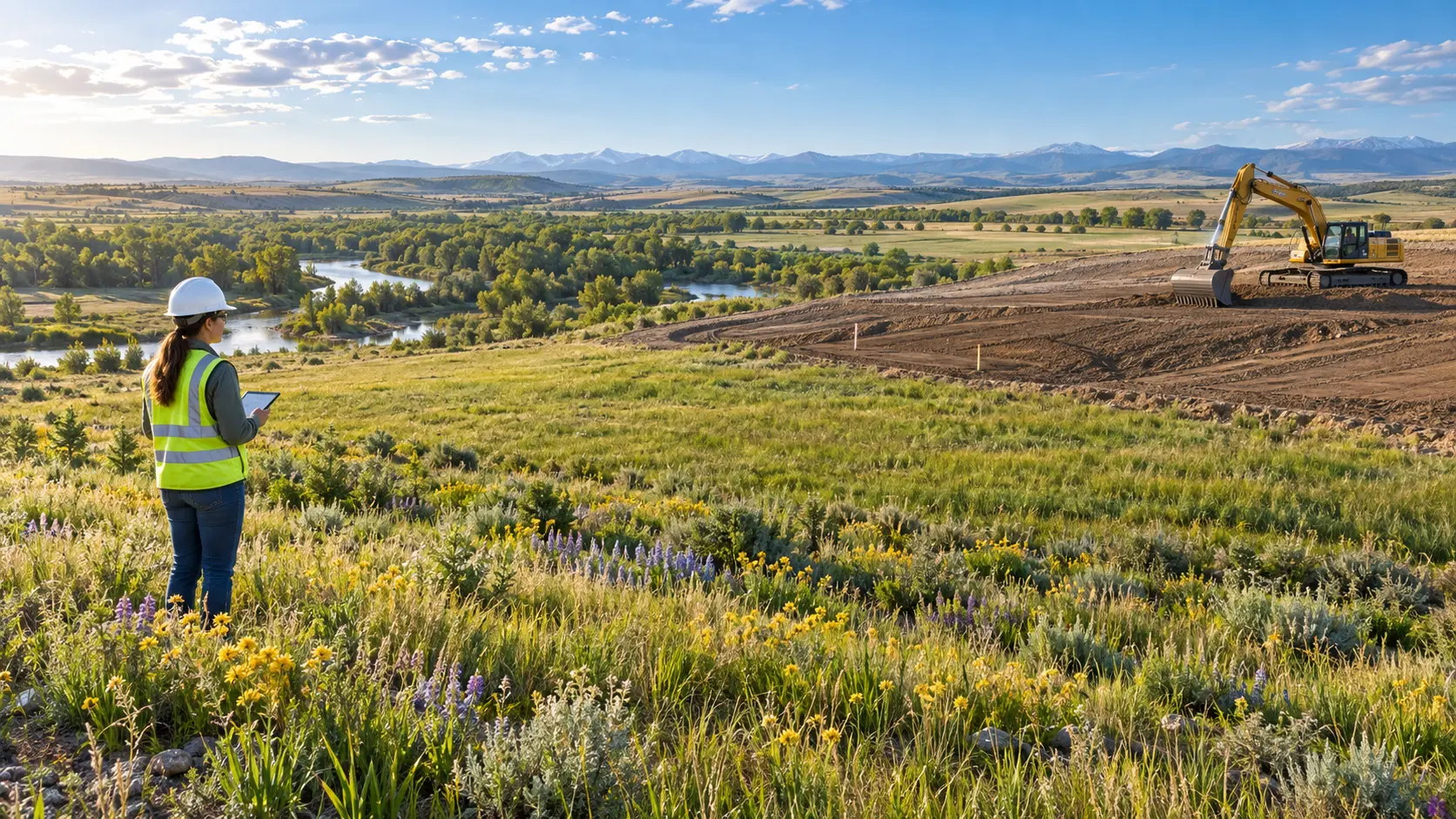 Stage 8 of 8Remediate, reclaim & closeInfrastructure is removed, affected soil or water is managed, and the land is restored toward its intended condition.
What happens during this stage
Remediate, reclaim & close
The site is assessed and remediated where necessary, backfilled, contoured, and revegetated. Follow-up monitoring, reports, and regulator acceptance support final closure.
AI-created educational illustration; not a photograph of a named client site.
Planning a closure project?