Conventional and end-of-life wells
Review records and field conditions, prepare the well, remove accessible equipment, and support an approved permanent abandonment program.
Oil and gas well services
Grindstone supports oil and gas wells that require investigation, intervention, remediation, monitoring, abandonment preparation, or permanent decommissioning—from known producing wells reaching end of life to legacy wells with incomplete records.
Plain-language explanation
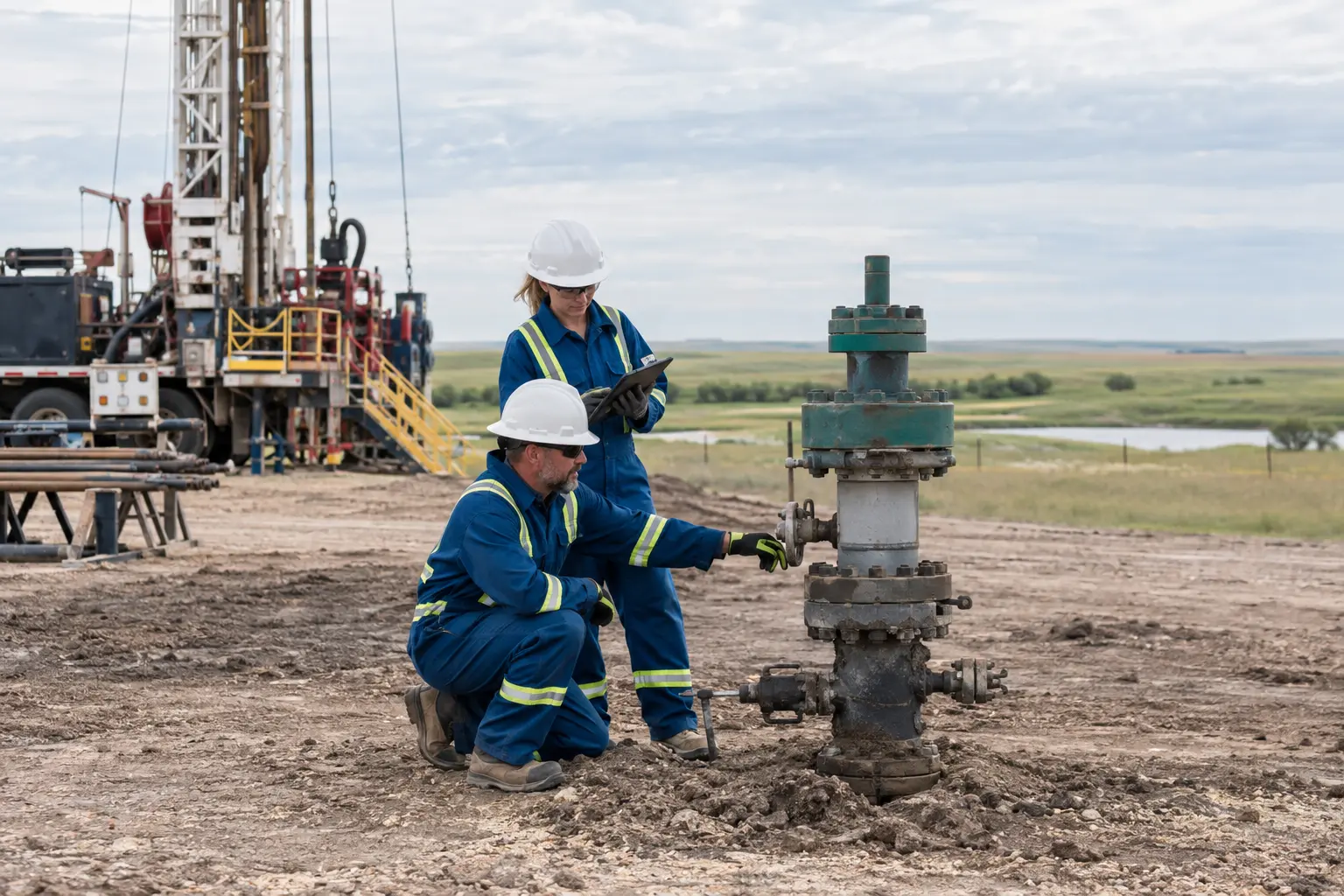
Oil and gas wells differ in age, construction, depth, pressure, production history, casing design, cement condition, and surrounding geology. Those differences matter when a well is suspended, leaking, venting, poorly documented, or being prepared for permanent abandonment.
Representative scopes can involve conventional vertical wells, deviated or horizontal wells, producing or injection wells reaching end of life, suspended and inactive wells, orphan and legacy wells, surface-casing-vent-flow wells, gas-migration concerns, and previously abandoned wells that need further investigation or repair. Every program must be based on the actual well file, field condition, engineering direction, and governing jurisdiction.
When this service is needed
Typical support scope
Review records and field conditions, prepare the well, remove accessible equipment, and support an approved permanent abandonment program.
Confirm well identity and status, investigate integrity concerns, organize monitoring, and develop a practical path toward repair or closure.
Support pressure and flow characterization, diagnostic logging, cement evaluation, remediation, and post-work verification.
Locate and evaluate earlier work, drill out or remediate deficient devices when approved, restore isolation, and document readiness for final closure.
How the work moves forward
Confirm the well, ownership, status, construction records, access, hazards, and applicable requirements.
Use records, field measurements, pressure behaviour, vent-flow data, and suitable logging to define the condition.
Execute the approved equipment-removal, isolation, cement-remediation, plugging, or monitoring program.
Document depths, materials, volumes, pressures, tests, monitoring results, and readiness for final cut-and-cap and restoration.
What successful support produces
Grindstone can provide a defined specialty scope or support a broader prime-contractor program. Final methods depend on the well configuration, available records, engineering approval, contractor qualifications, safety plan, land access, and jurisdictional requirements.
Start a project conversationStart with the site, well, schedule, and support you need. Mike or Clive will help identify the practical next conversation.