Records and condition review
Evaluate available well files, prior interventions, monitoring, logs, site information, failure history, uncertainties, and data gaps.
Well drilling, completions and engineering
Grindstone develops and executes drilling and completion programs with qualified crews and project partners. Our engineering leaders connect well design, field operations, contractor coordination, and technical closeout while supporting workovers and later-life well projects.
Plain-language explanation
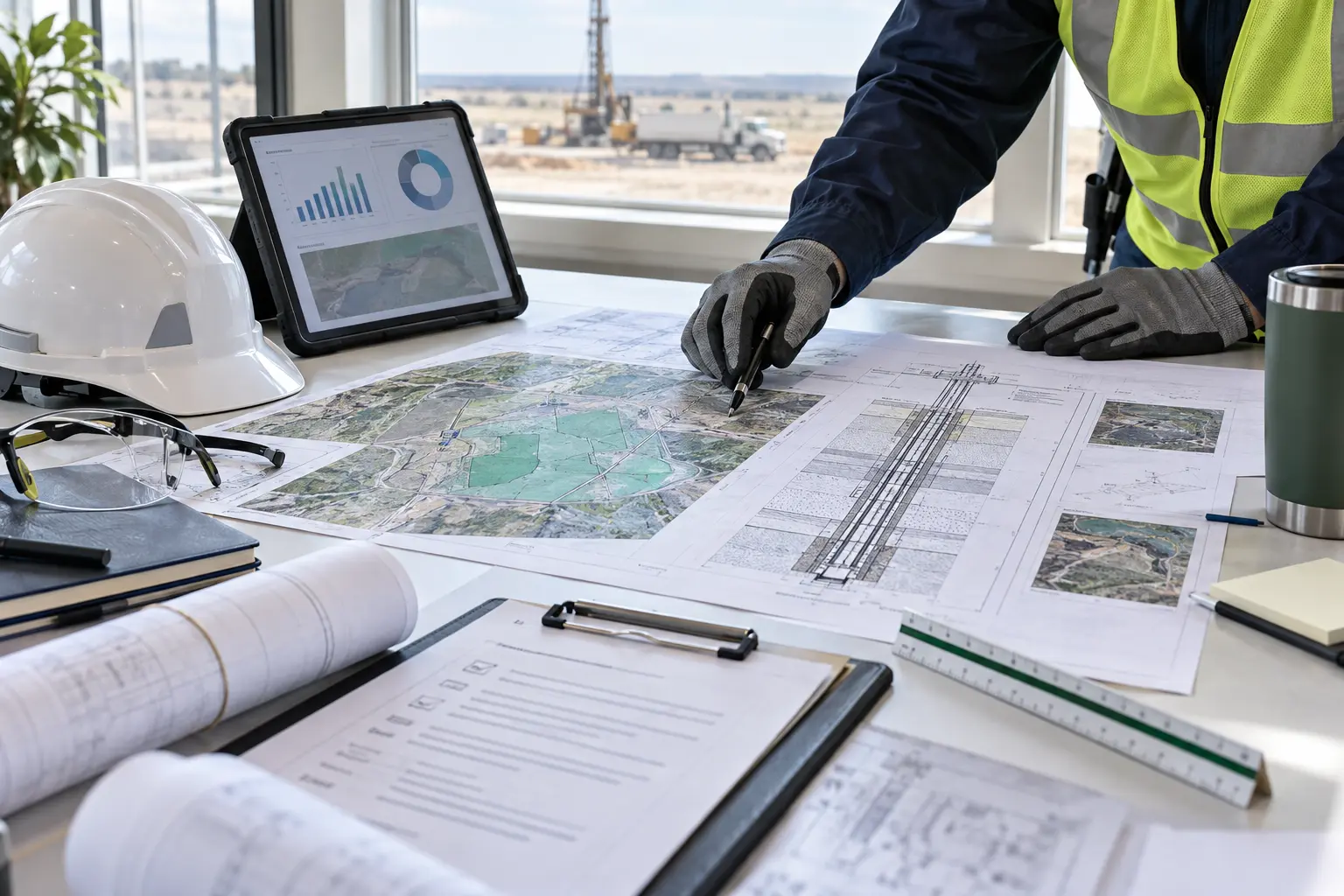
An engineer applies mathematics, physical science, technical standards, field evidence, risk analysis, and professional judgment to understand how a system may behave and how work can be completed safely and effectively. On a well or remediation project, that can include reviewing construction records, pressures, casing and cement conditions, geology, fluids, failure pathways, equipment limits, sequencing, verification criteria, and contingencies.
Becoming a professional engineer generally requires an accredited or regulator-accepted engineering education, a period of supervised engineering experience, professional-practice and ethics requirements, and licensure through the applicable engineering regulator. Exact requirements and authorization vary by jurisdiction. The P.Eng. designation signals regulated professional accountability; it does not replace the permits, specialty licences, geoscience expertise, certified contractors, or other professionals a particular project may require.
Engineering leadership
Principal Owner · Engineering & Project Management
Mike earned a Bachelor of Science in Mechanical Engineering from the University of Alberta and later became a licensed Professional Engineer. As a principal owner, he brings more than 30 years of engineering and energy-sector experience and a career history spanning 2,000+ completed wells. His areas of focus include technical program development, drilling and completions, abandonment and decommissioning planning, field-execution support, constructability, remediation coordination, and connecting engineering intent with practical wellsite results.
mike.tanton@grindstoneenergysolutions.comEngineering leadership
Principal Owner · Completions, Drilling & Operations Engineering
As a principal owner and professional engineer, Clive brings more than 35 years of experience and a career history spanning 3,000+ completed wells across completions, drilling, workovers, well abandonment, SAGD operations, production facilities, pipelines, regulatory compliance, and multidisciplinary project leadership in Western Canada and international markets.
clive.mountford@grindstoneenergysolutions.comExperience profile
Figures reflect cumulative team career experience and provide company capability context; they are not an individual licensing record.
Mike Tanton, P.Eng., and Clive Mountford, P.Eng., combine engineering leadership, practical field judgment, technical review, and project-management experience as Grindstone's core engineering team. Together, they coordinate the additional expertise a project may require, including locally licensed engineers, petroleum or civil specialists, geotechnical engineers, hydrogeologists, geoscientists, environmental professionals, laboratories, certified well contractors, and other qualified partners.
When this service is needed
Typical support scope
Evaluate available well files, prior interventions, monitoring, logs, site information, failure history, uncertainties, and data gaps.
Define objectives, methods, equipment, materials, calculations, sequencing, verification criteria, contingency triggers, and required specialists.
Coordinate qualified crews, rigs, suppliers, prime contractors, completion operations, safety controls, permits, logistics, communications, and field decisions.
Review actual conditions and results, manage approved changes, document departures, assess verification evidence, and organize the technical closeout record.
How the work moves forward
Define the physical system, project objective, governing requirements, available evidence, uncertainties, and consequences of failure.
Develop a risk-based technical approach with calculations, assumptions, acceptance criteria, alternatives, and contingencies.
Translate the program into an executable sequence with the right qualified people, equipment, materials, controls, and communication.
Compare field results with the design intent, address approved changes, and preserve the evidence needed for responsible closeout.
What successful support produces
Choosing Grindstone brings Mike Tanton, P.Eng., and Clive Mountford, P.Eng., together as an engineering leadership team with project-management experience and field-oriented planning, supported by the additional specialists a project may require. Professional services are offered only where appropriately authorized and may be delivered with locally licensed engineers, geoscientists, environmental professionals, well contractors, and prime contractors.
Start a project conversationStart with the site, well, schedule, and support you need. Mike or Clive will help identify the practical next conversation.